Multi-Family Residential Services
Residents of Multi-Family properties can help keep Dublin clean and green by participating in their garbage, recycling, and composting programs. Please reach out to your property manager for any specific questions related to your home.
Below you will find some important program rules.
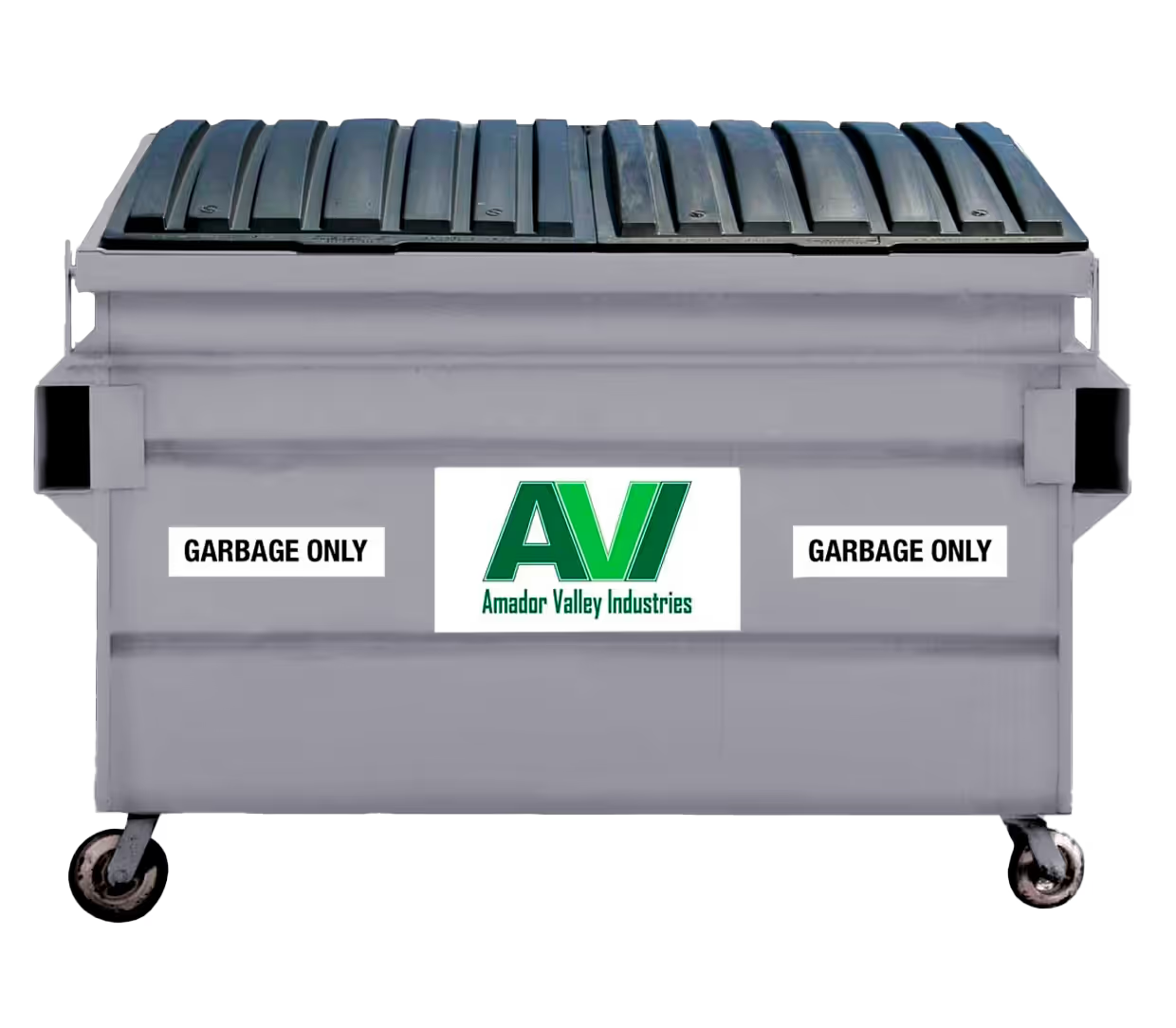
Garbage Disposal Guide
California State law (SB 1383) requires that residents properly sort recyclable and compostable materials out of landfills to reduce emissions that contribute to climate change. Please review the acceptable and unacceptable materials for each below.
Hazardous materials do not belong in the garbage, recycling, or compost containers. Containers found to have these materials will not be collected until such materials are removed.

Acceptable Materials in the Garbage

Unacceptable Materials in the Garbage
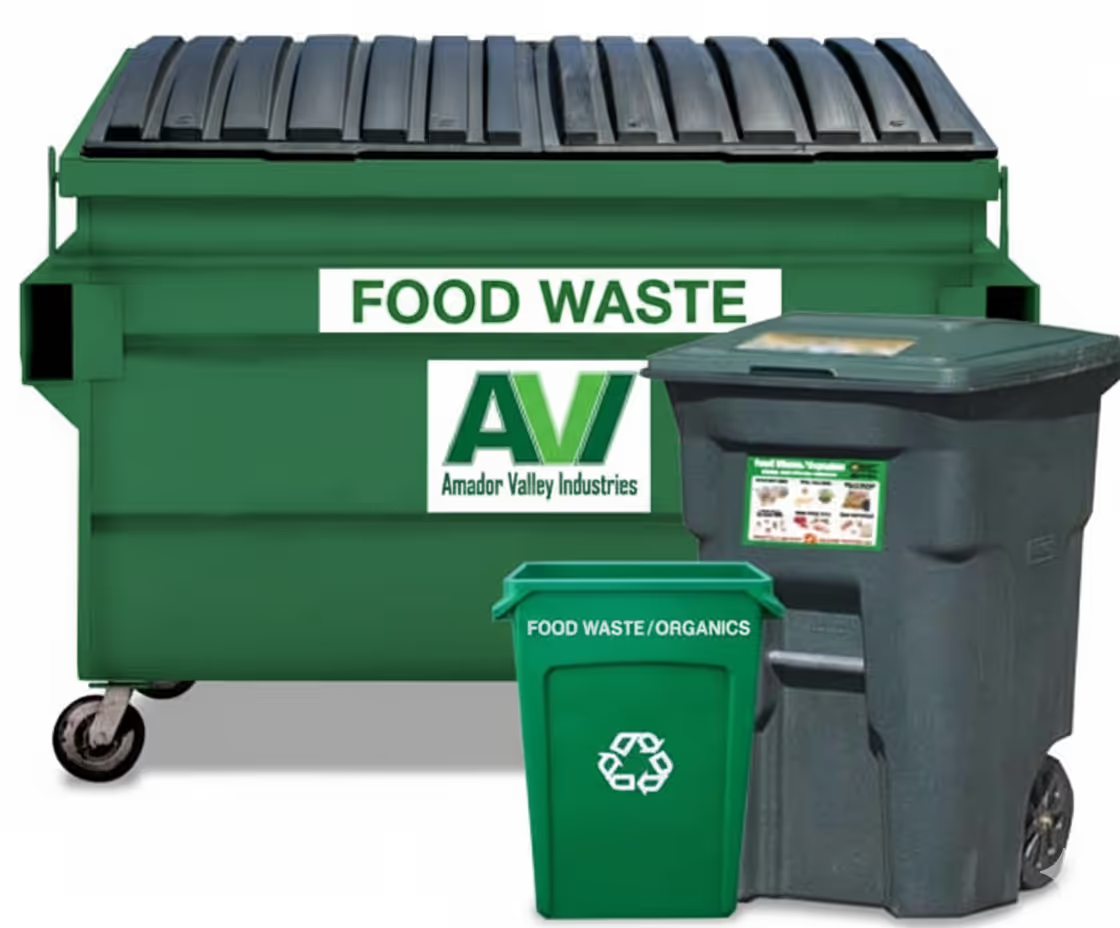
Compost Guide
Please place compost or organics loose, wrapped in newspaper or in a paper bag in the cart.
IMPORTANT: Please line your kitchen pail with a newspaper or paper bag if using liners. No plastic bags, including BPI compostable bags, are accepted.
Acceptable Materials in the Compost
Unacceptable Materials in the Compost

Make Food Scrap Composting Easier
Property managers can call in to request your Kitchen Counter-Top compost pail free of charge. These pails are designed to help collect your food scraps and food soiled paper at your home.
Choose the best method for you:
- Collect scraps in pizza boxes or paper egg cartons
- Wrap scraps in newspaper
- Use the kitchen pail provided by AVI
- For some extra tips on how to reduce food waste in your home check out this page from StopWaste to Reduce Wasted Food At Home
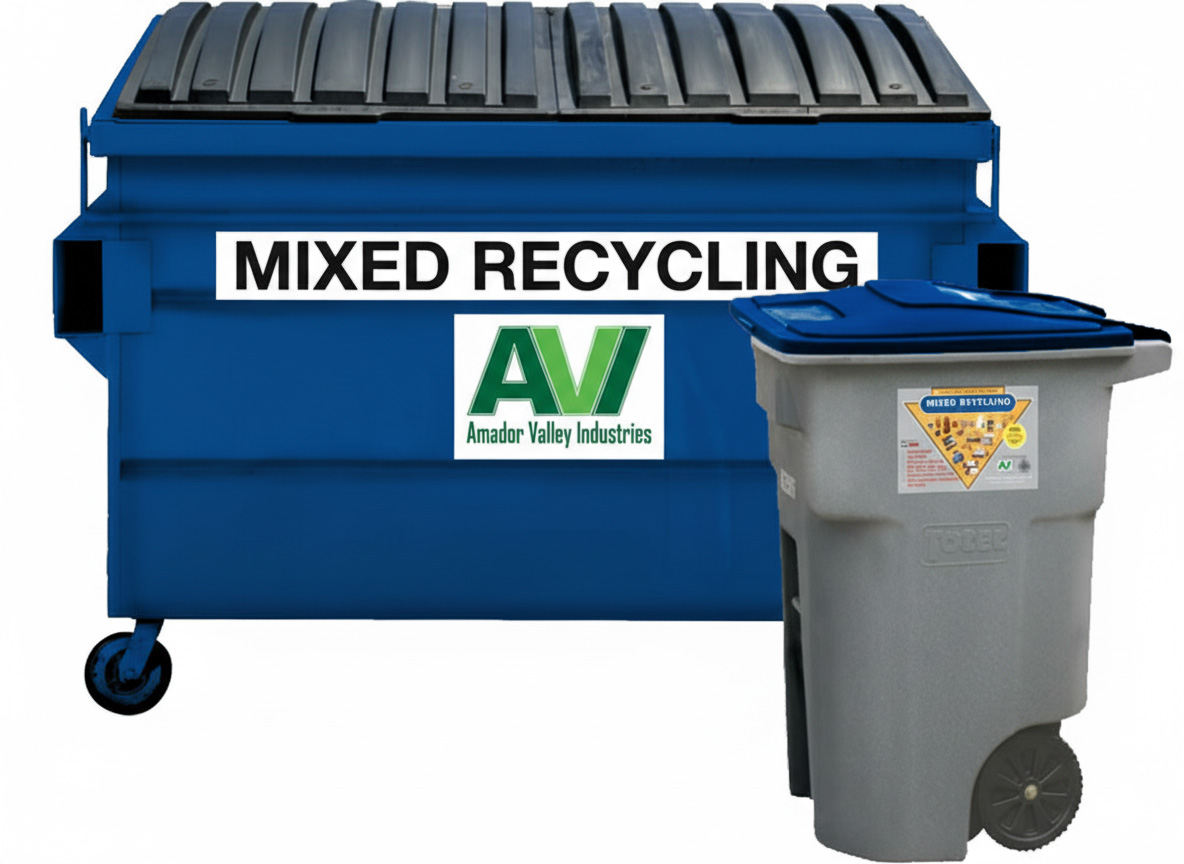
Recycling Guide
WARNING! It is illegal to dispose of hazardous materials in garbage or recycling containers (see below for prohibited items).
Improperly disposing of hazardous and toxic waste can result in serious harm to the health of people, pets, wildlife, and our environment.
Property Managers can request free recycling bags to help residents collect their recyclables.
Containers found to have these materials will not be collected until such materials are removed.
Acceptable Materials in the Recycling
Unacceptable Materials in the Recycling
Program Rules
Follow these guidelines to ensure proper disposal in the dumpsters:
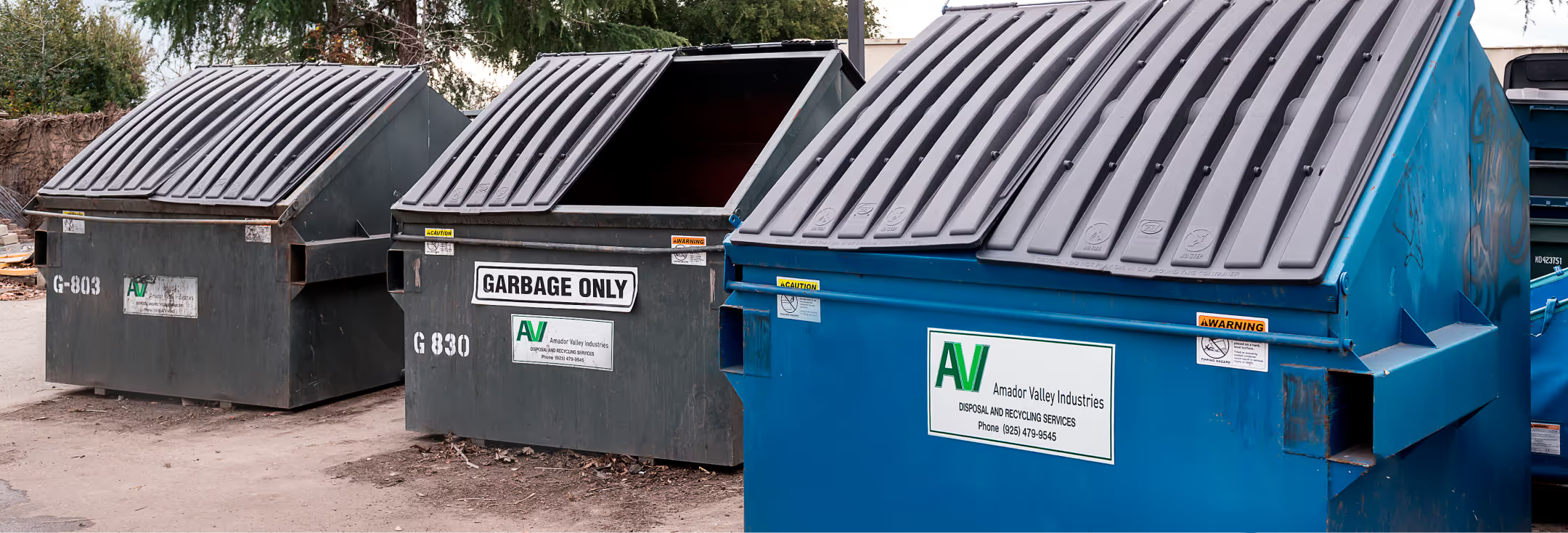
- All waste must be placed in the correct garbage, recycling, or compost bin, cart or chute. If you have any questions, please contact your property manager.
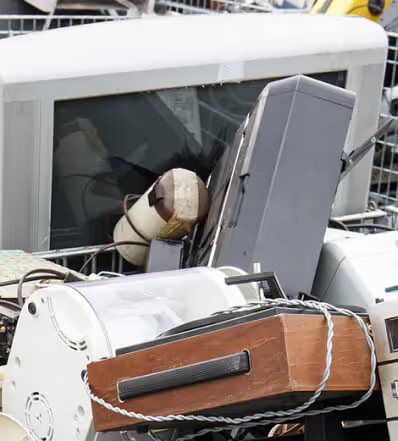
- No furniture, including couches, sofas, chairs, beds or appliances are allowed in any of the dumpsters or enclosure areas/trash rooms. Contact property management for information on how to properly dispose of furniture, appliances or other large items.
- Do not overfill dumpsters/carts, or place discarded items on the ground where they can block access and prevent the driver from emptying the bin or cart.
Please reach out to your property manager for any specific questions related to your home.
.jpg)
Free Resources for Multi-Family Properties
We offer free resources to help make recycling as convenient as possible for residents.
Property Managers can call us to learn more about available resources and how we can help you start, maintain or expand your recycling program.
 Multi-Family Recycling SolutionsAVI offers free resources to help make recycling as convenient as possible! We also offer free technical assistance to property managers.
Multi-Family Residential Services
AVI partners with property owners and landlords to provide dependable waste, recycling, and composting services to residents in multi-family complexes across Dublin. Our goal is to make it easy for tenants to dispose of waste properly while helping landlords meet local and state sustainability requirements.