.jpg)
Single Family Residential Services
Single Family waste collection service is provided on a weekly basis, Monday through Friday, except for Holidays.

Garbage Disposal Guide
California State law (SB 1383) requires that residents properly sort recyclable and compostable materials out of landfills to reduce emissions that contribute to climate change. Please review the acceptable and unacceptable materials for each below.
Hazardous materials do not belong in the garbage, recycling, or compost containers. Containers found to have these materials will not be collected until such materials are removed.

Acceptable Materials in the Garbage

Unacceptable Materials in the Garbage

Compost Guide
Please place compost or organics loose, wrapped in newspaper or in a paper bag in the cart.
IMPORTANT: Please line your kitchen pail with a newspaper or paper bag if using liners. No plastic bags, including BPI compostable bags, are accepted.
Acceptable Materials in the Compost
Unacceptable Materials in the Compost

Make Food Scrap Composting Easier
Call in to request your kitchen countertop compost pail free of charge. These pails are designed to help collect your food scraps and food soiled paper at your home.
Choose the best method for you:
- Collect scraps in pizza boxes or paper egg cartons.
- Wrap scraps in newspaper.
- Use the additional kitchen pail provided by AVI.
- For some extra tips on how to reduce food waste in your home, visit StopWaste's Reduce Wasted Food At Home page.
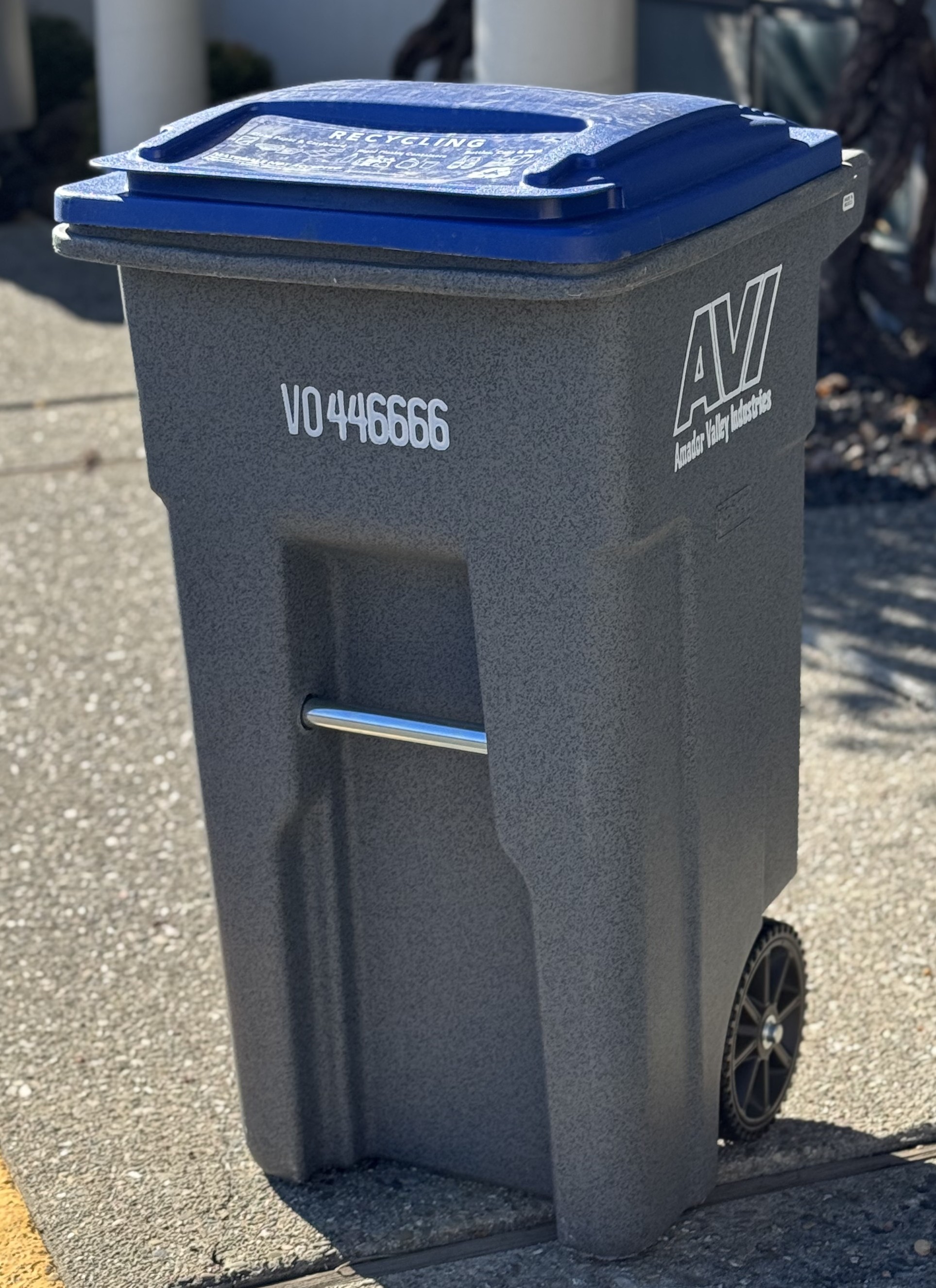
Recycling Guide
WARNING! It is illegal to dispose of hazardous materials in garbage or recycling containers (see below for prohibited items).
Improperly disposing of hazardous and toxic waste can result in serious harm to the health of people, pets, wildlife, and our environment.
Containers found to have these materials will not be collected until such materials are removed.
Acceptable Materials in the Recycling
Unacceptable Materials in the Recycling
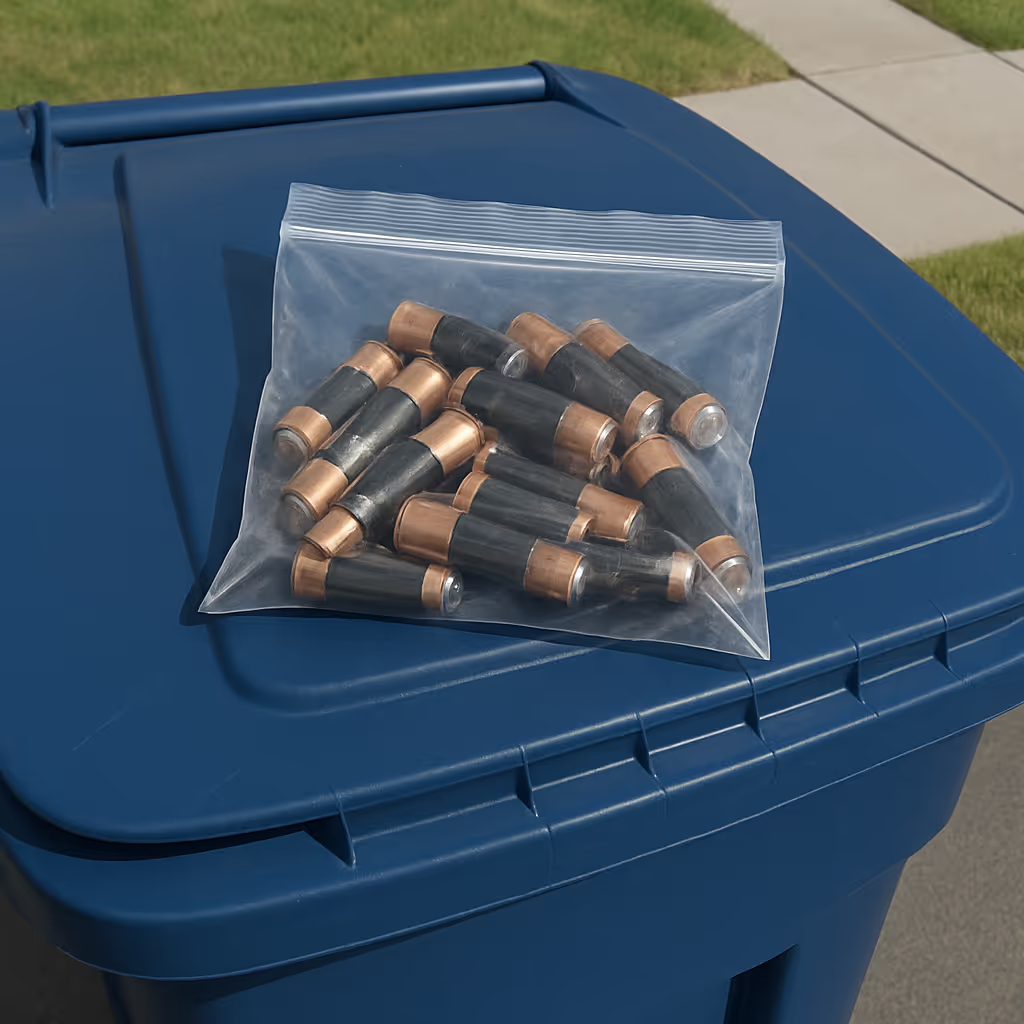
Used Household Batteries
Please place used household batteries in a clear sealed bag on top of your recycle cart.
Special instructions
- We recommend stockpiling spent batteries in a container, such as a bucket or box, and store in a cool, dry place. When the container is full, place the used batteries in a clear sealed bag on top of your recycling cart for service.
Other disposal options
- Search StopWaste.org RE:Source guide for for other battery drop off locations.

Alameda County offers special programs for businesses generating small quantities of hazardous and/or universal waste.
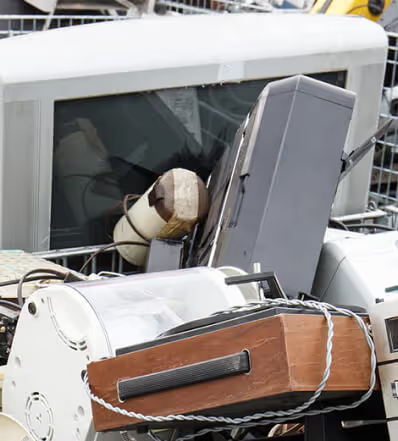
We recommend stockpiling spent batteries in a container, in a cool, dry place. When the container is full, place the used batteries in a clear sealed bag on top of your recycling cart for service.
Collection Services

Service is provided on a weekly basis, Monday through Friday, except for Holidays (see Holiday information).
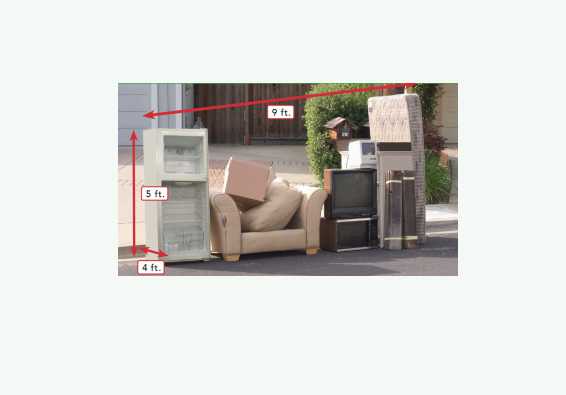
If you have extra waste you need picked up, please call us at least 24 hours in advance of your service day so we may notify the driver.
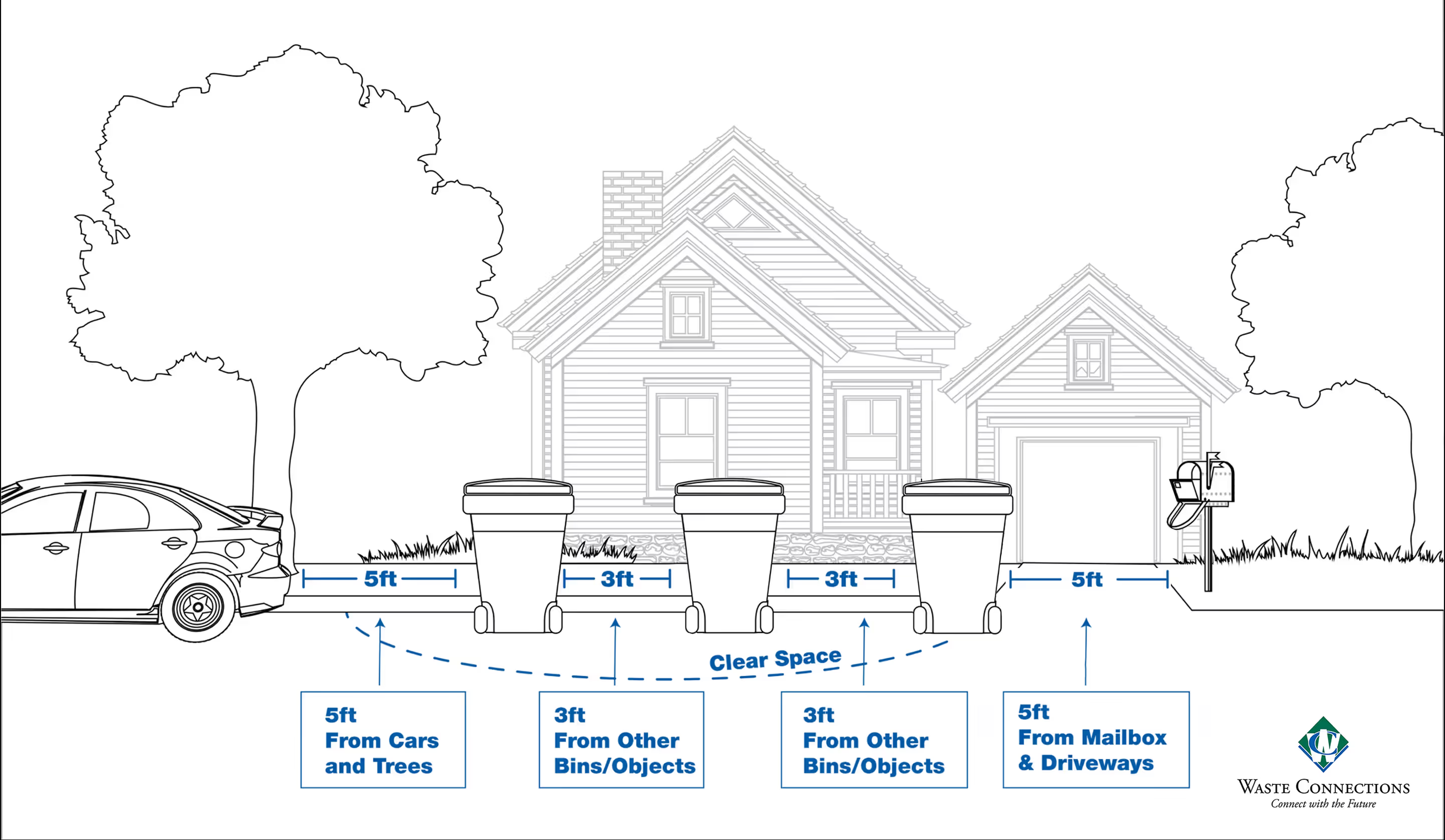
To ensure your pickup please place your cart in the street at the curb the night before your scheduled pickup.
Please place carts with at least three feet between each cart.
Single Family Residential Services
AVI is proud to provide reliable curbside services to single-family homes throughout Dublin. Our programs are designed to help residents dispose of waste responsibly, while reducing landfill use and supporting California’s sustainability goals.